Wednesday, 10 April 2019

Fashion Gallery: Suits (Yellow & Orange)

Yellow

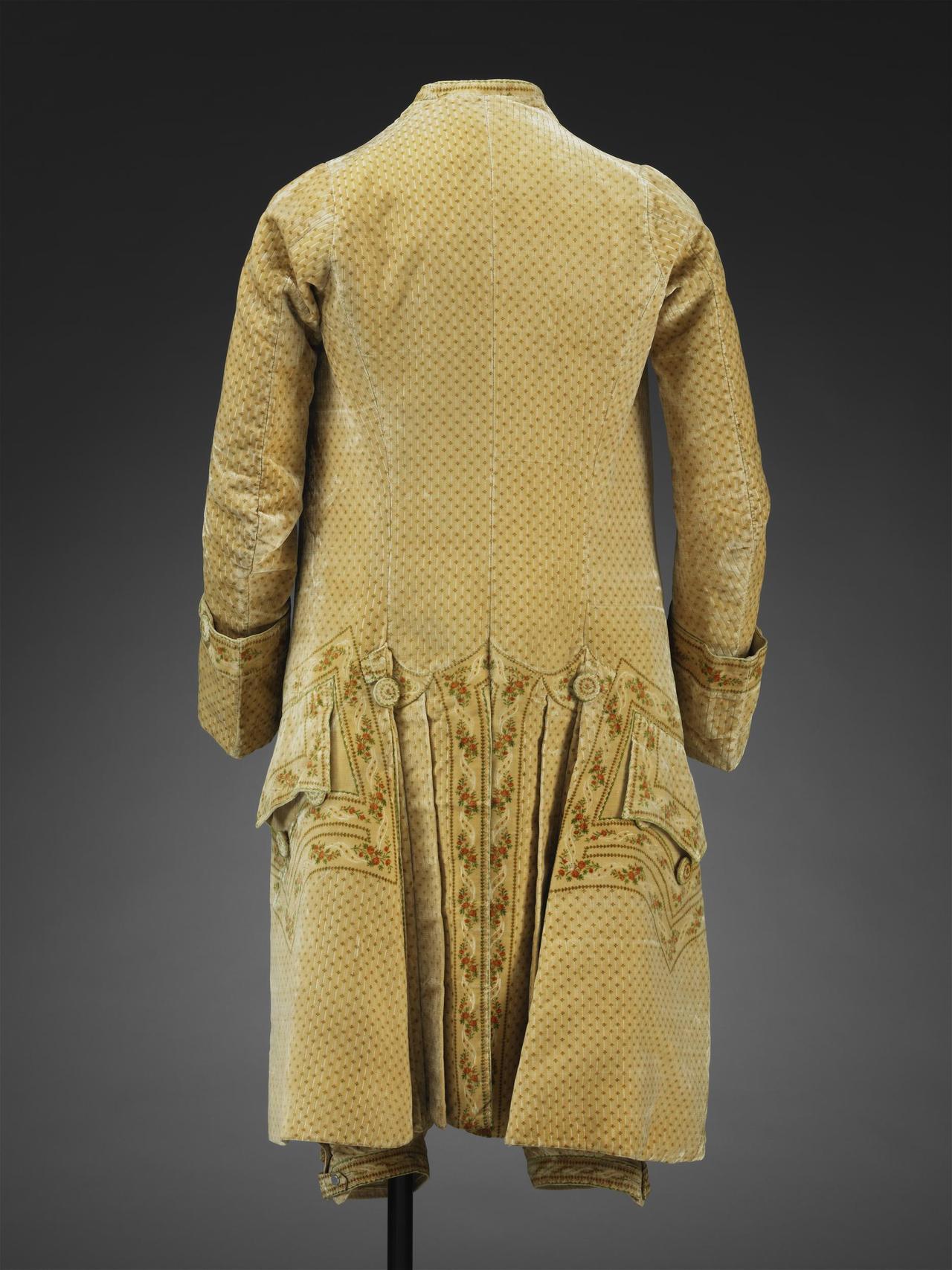
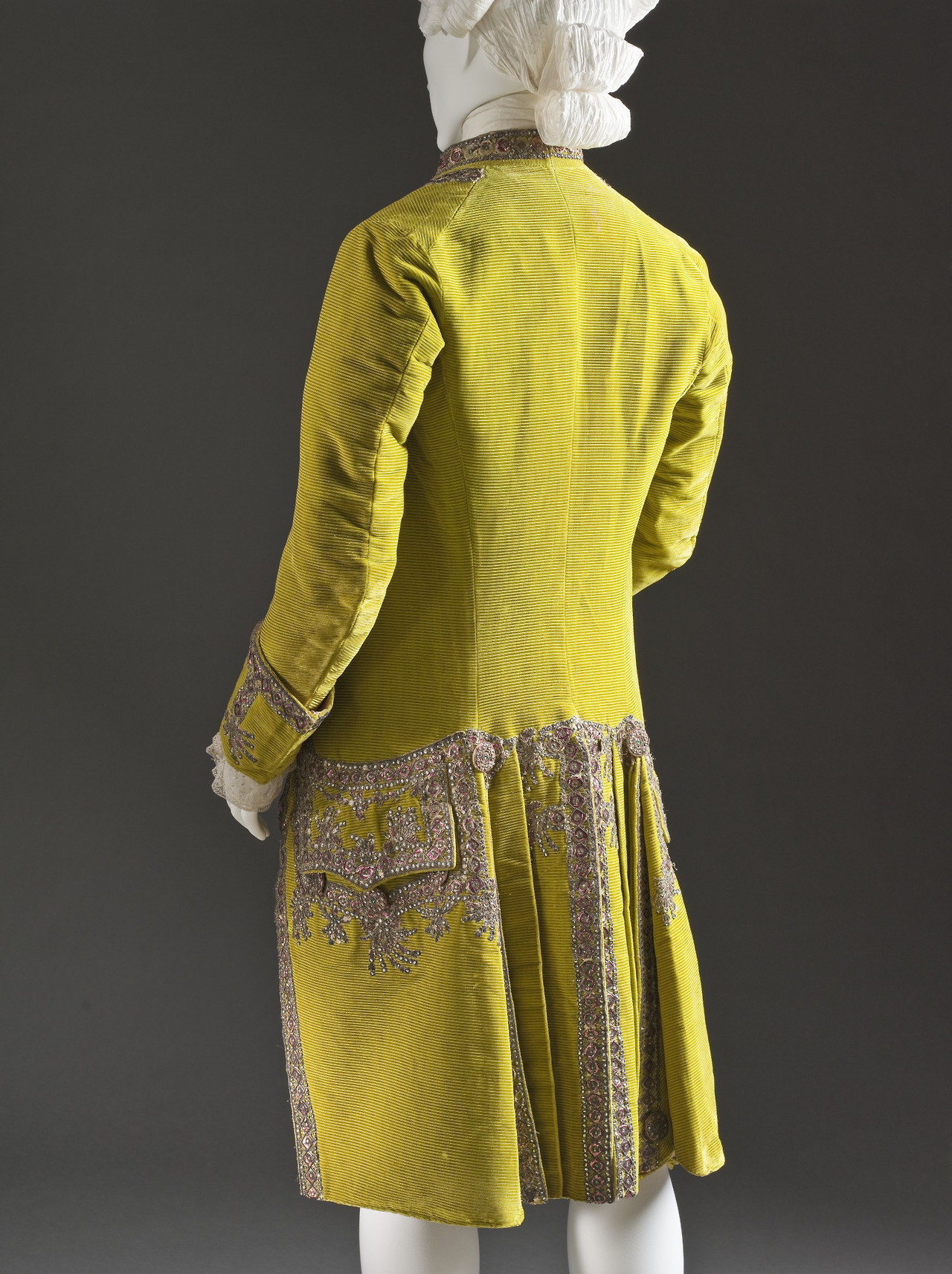
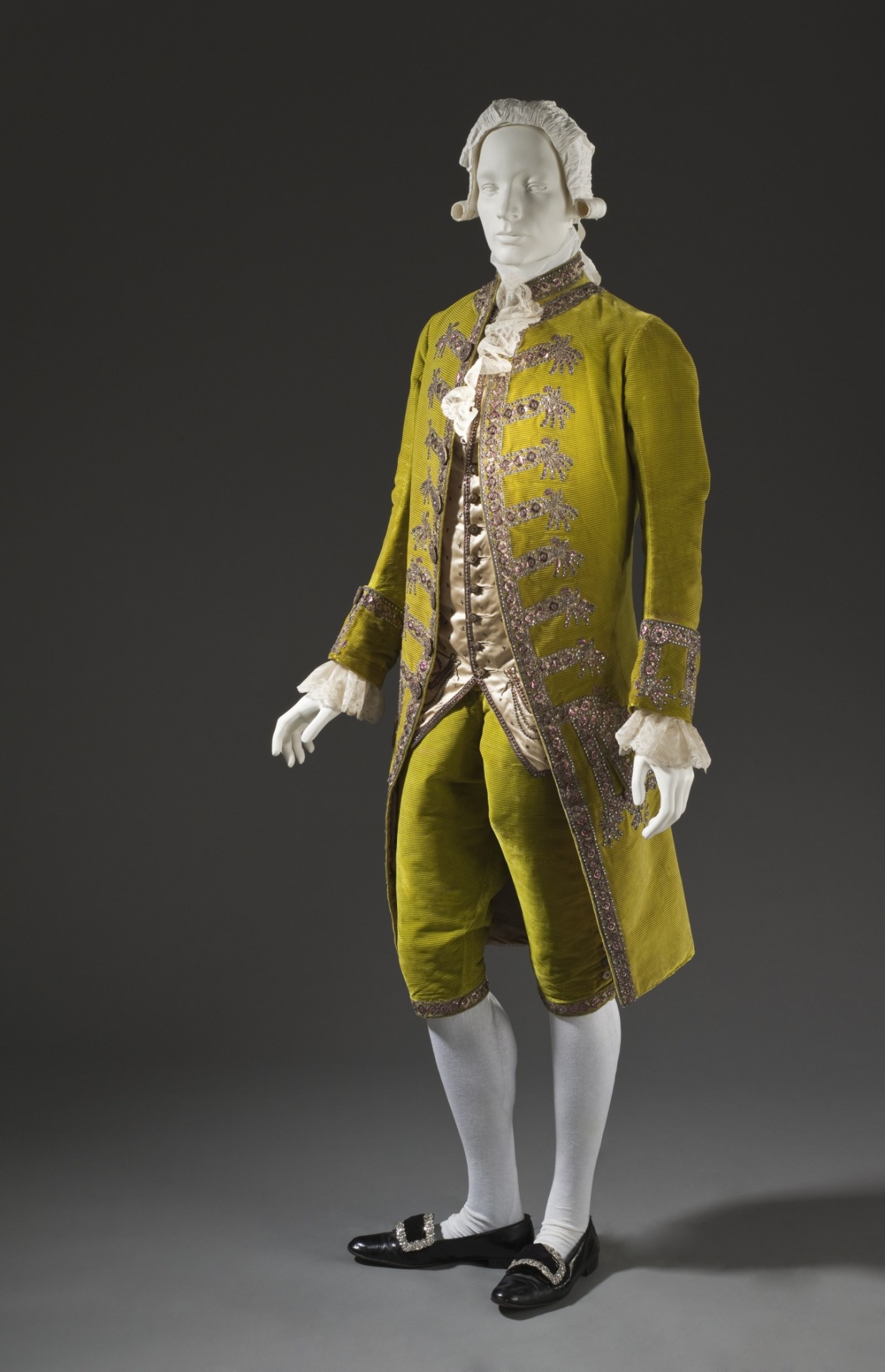
Velvet suit, 1785


Circa 1785 Man's Suit | LACMA CollectionsVelvet Trimmed Wool Suit, ca. 1785


1774-80

V&A


Spanish, 1785-1800

Ensemble (image 1) | Spain | 1785-1800 | silk | Textilteca CDMT | Museum #: 11635


Orange

Velvet suit, 1770-90

Orange uncut figured velvet. Coat: short stand-up collar with lace ruffle, round cuffs, buttons covered with silver and gilt-silver wire, sequins, red colored decorations and gilt-silver textured foil, white silk lining. Waistcoat: single breasted, red silk buttonholes. Breeches: button-down front, fob and two flapped side pockets, gilt-silver embroidered white silk knee bands, buttons like coat, white cotton lining.Suit 1770-1790 The Museum of Fine Arts, Boston


Satin suit, 1770's

3-piece suit, 18th century. Toffee-coloured silk satin, embroidered in polychrome silks and silver metal threads, with flat self-fabric covered buttons.


Missing the breeches but too fabulous not to include, 1750's

I would love to meet the gentleman who wore this spangled orange moiré suit. Circa 1750s, via @KSUMuseum.pic.twitter.com/0g3v2nP1q9


Spanish, 1780
Relateret billede


French, 1765


Unknown origin, 1760's

Gentleman's peach silk moiré faille suit with embroidered and spangled buttons and silver trim,1760s.


The Controlling Prince de Conti

François Louis de Bourbon had been married to Marie Thérèse de Bourbon on 22 January 1688. Although the bride was immensely fond of - even in love with - her new husband, she would soon find their marriage to be very trying.

In contrast, François Louis was not the least bit interested in his new wife. The Prince de Conti was bi-sexual; he was well known to have a liaison with Louise Françoise de Bourbon but was also involved in several homosexual affairs. 

The odd thing about François Louis was that - despite his own lack of interest in her - he was immensely jealous of his wife. Perhaps his own infidelities made him suspicious but according to Elizabeth Charlotte of the Palatinate, there was "no cause" for his suspicions. However, there appears to have been doubts as to the full extent of the Princesse de Conti's faithfulness. Andrew Haggard claimed that she had affairs with both the Marquis de La Fare and Monsieur de Clermont - still, no other source backs this claim up.

Marie-Thérèse de Bourbon, princesse de Conti par Pierre Mignard.
Marie Thérèse

On occasion, François' behaviour went further than mere suspicion. Madame noted that poor Marie Thérèse "never knew where she was to pass the night". Once his wife had settled somewhere, he would constantly send her from one place to another - and he had plenty of places to choose from. Besides their apartment at Versailles, the couple owned the Château de Chantilly and a hôtel in Paris. In itself should demands might not seem odd but he would insist on her travelling even if it was in the middle of the night. Legally, he was fully entitled to treat his wife as he pleased, so there was little to do by way of the law.

Apparently, François offered to duel the Prince de la Roche-sur-Yon because the Chevalier de Lorraine (lover of the king's brother) told him that Roche-sur-Yon was in love with the Princesse de Conti.
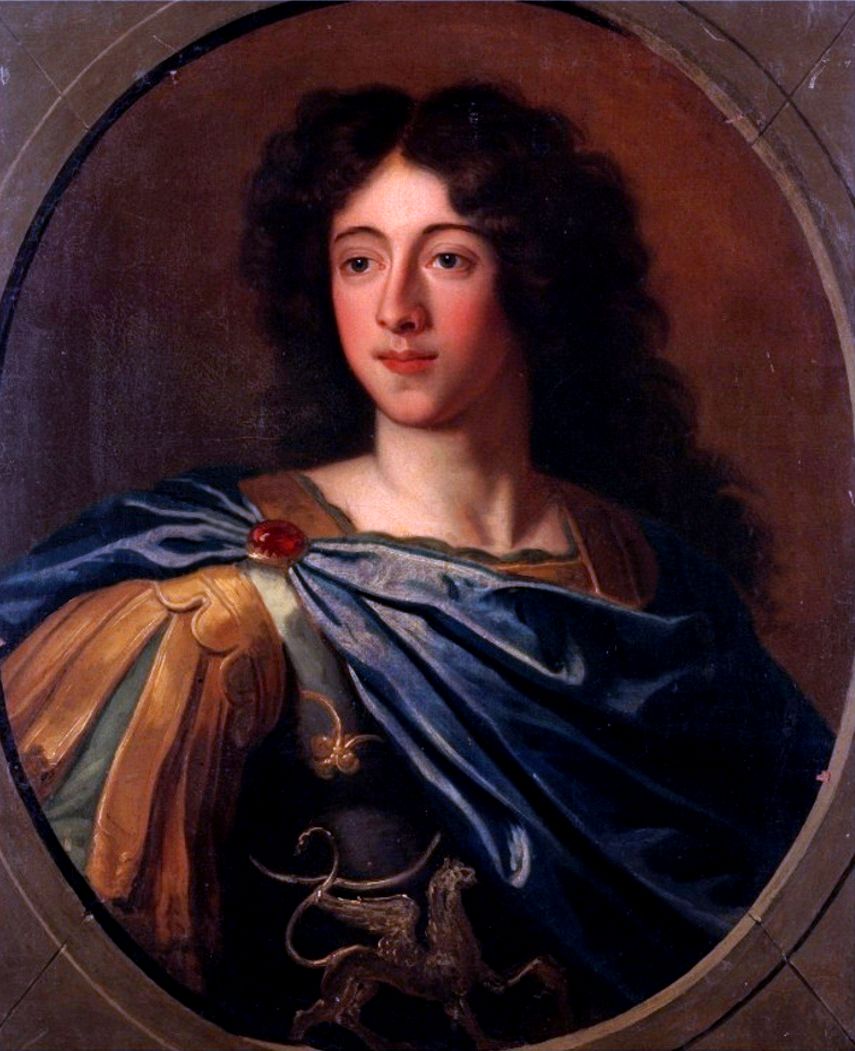
Le jeune François-Louis, alors prince de La Roche-sur-Yon
François Louis

In 1709, François died but Marie Thérèse does not appear to have enjoyed her new freedom. Instead, her old love of her husband (unrequited as it was) still lingered and she was often seen weeping for him. Few people could understand this mourning for a husband who had never cared much for her. One good thing did come out of the demise of the Prince de Conti. His widow had become estranged from her own children but was finally reconciled with them once their father was gone.

Tuesday, 9 April 2019

Pink: the Colour of Youth

From the middle of the 18th century, pastel colours took over in fashion from the previously favoured bright ones. Pink was amongst the new trending hues. One of the main reasons for why pink did not make its entrance onto the fashion stage earlier, is the dying process. Before chemicals were the primary source for colours in fashion, dyers had to use whatever nature had to offer. Few things are naturally pink and those that are rarely give off a colour if processed in the traditional way. However, as the 18th century wore on, techniques advanced and it became possible to achieve far greater variance in shades. It meant that whereas only the very pinnacle of society could afford pink clothing before, it became more affordable.

The very terminology of the colour pink was ambiguous. The colour "pink" did not exist until the latter half of the 18th century - at the earliest. Prior to that it was named everything from "carnation"

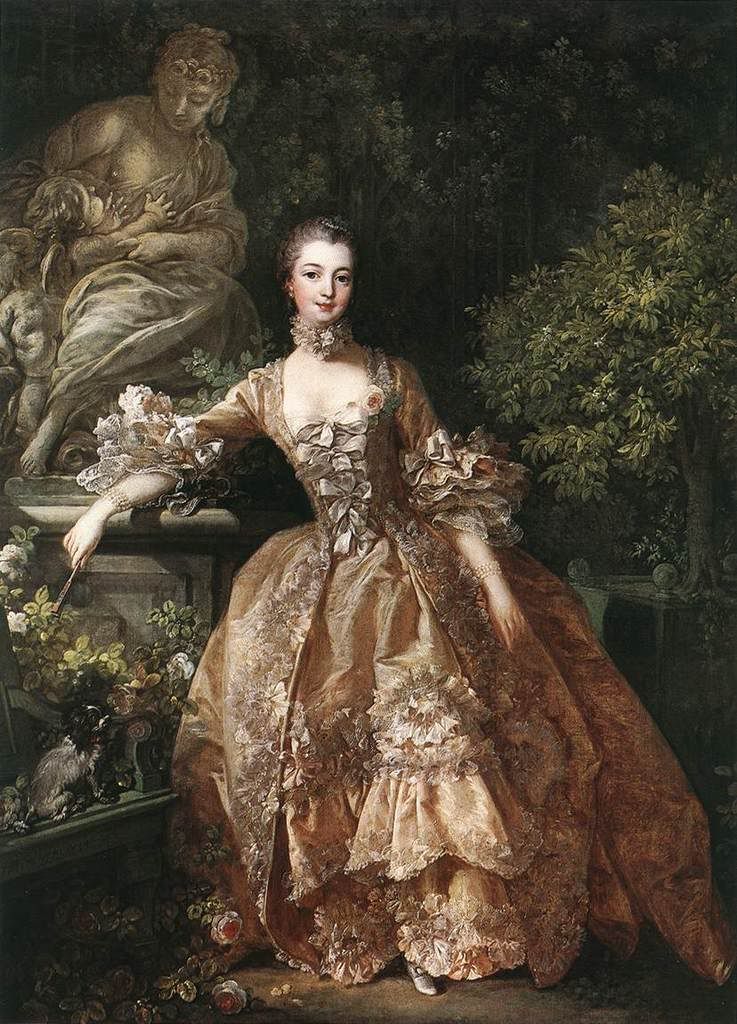
Madame de Pompadour appears to have had a liking for the colour; in portraits of her she is often wearing the shade and the Sèvres-porcelain she ordered had pink in it as well. Until Madame de Pompadour made the colour fashionable it was used rather as a secondary choice; it is not for nothing that the pink glaze of Sèvres was known as "Pompadour pink". She would often combine pink with another signature colour: pale blue.

Madame du Barry also had a thing for pink - however, her fascination lay more in her jewellery. In particular, she often wore a necklace of pink pearls.

Unlike today, pink was not associated with femininity - both men and women wore the colour. Likewise, both young boys and girls were dressed in it. The very symbolism of the colour was up to debate. At the time of Madame de Pompadour it was considered to be somewhat of a sensual colour which made it very appropriate for a royal mistress. However, just twenty years later it was connected with the exact opposite: innocence. 

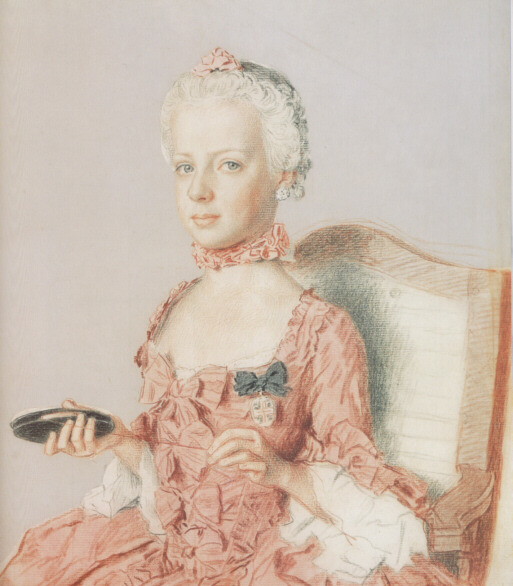
Typically, brighter pink was worn by the younger generations. Once Marie Antoinette had reached her 30th birthday, she announced that her days of wearing pink were over. Indeed, she had been fond of the colour in her youth.

As seen in portraits - women:

Relateret billede
The Marquise de Caumont La Force
Marie Suzanne Giroust, artist

Billedresultat for 18th century portrait pink
Marie Antoinette while Archduchess of Austria

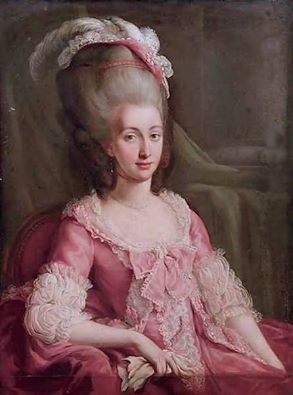
10 juin 1789: Mme la comtesse d’Artois à Saint-Cloud
The Comtesse d'Artois

Billedresultat for 18th century portrait pink
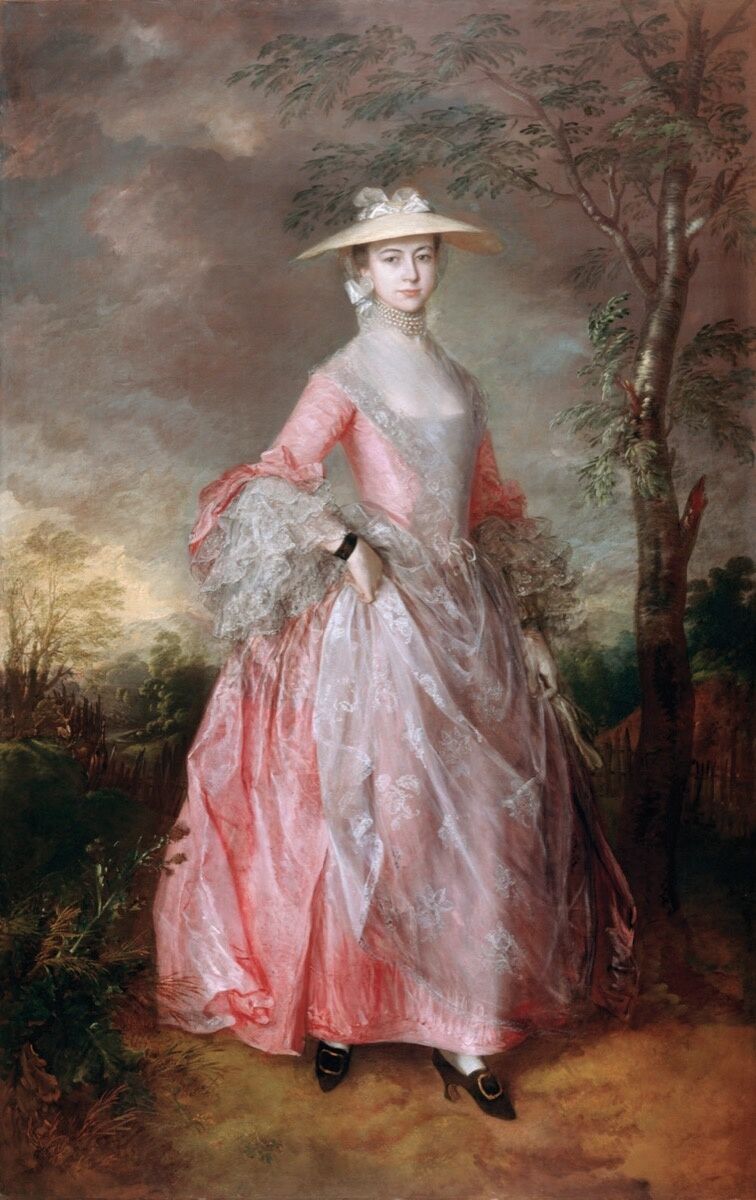
Mary, Countess Howe
Relateret billede
Madame de Pompadour
Marie Adélaide of France

As seen in portraits - men:
Comte d'Angiviller

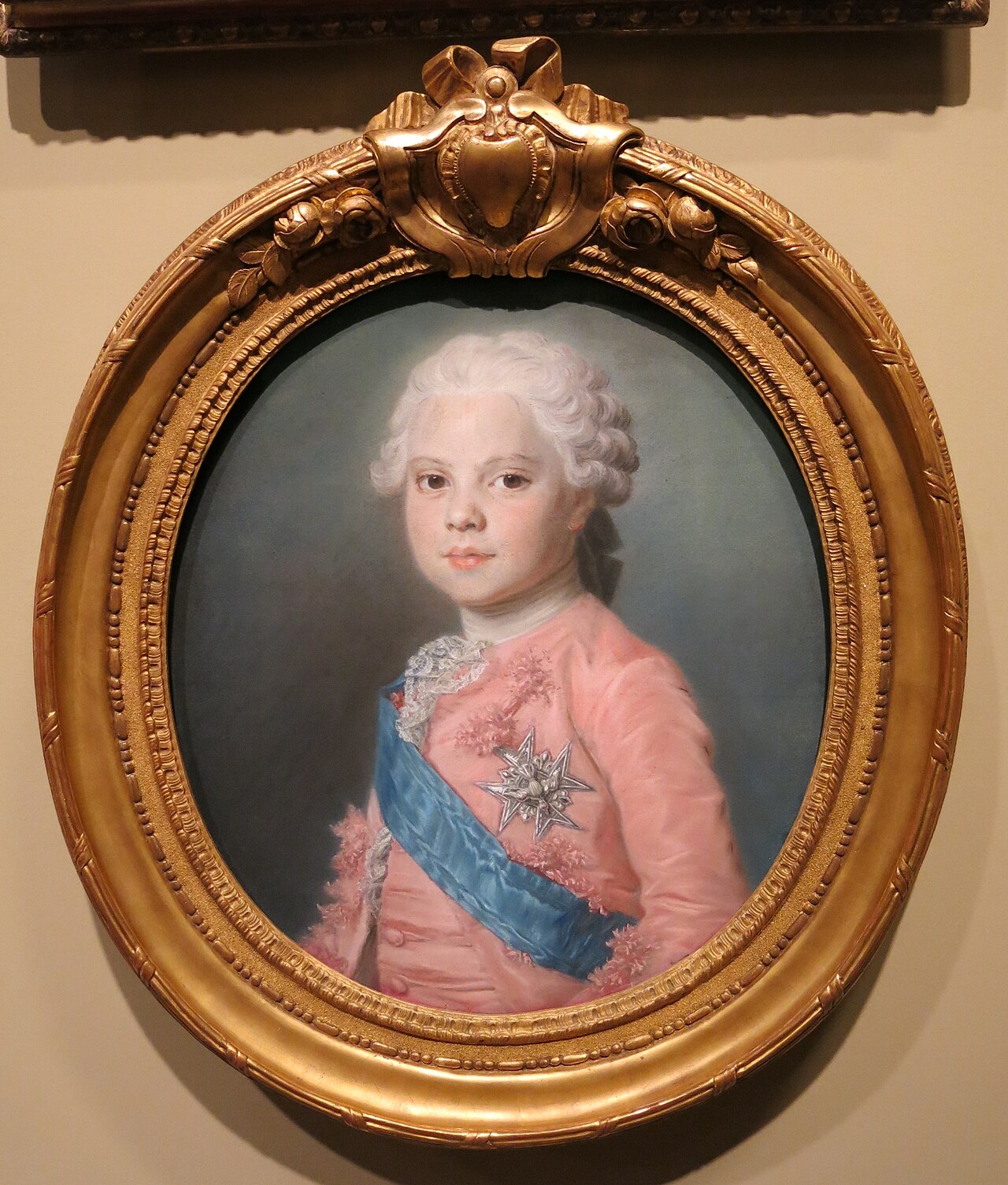
Maurice Quentin de La Tour, Portrait de Louis Stanislas Xavier de France, comte de Provence (1762).jpg
Comte de Provence
Alexander Roslin 017.jpg
Unknown gentleman

Billedresultat for 18th century portrait pink men
Jean-Marie Vien

Tiepolo - Infante Gabriel.jpg
Infante Gabriel

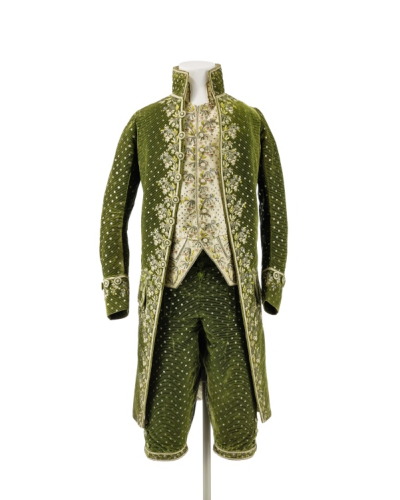
Fashion Gallery: Suits (Green & Blue)

Green

British, 1770's


Formal suit, 1770’s England, Royal Ontario Museum


Italian (possibly from Venice), 1785-90

Man's Three-piece Suit  worn with matching vest, Italy, probably Venice, circa 1785-1790, LACMA


Lime suit, 1780's


German, 1780's


French, 1760-80

This suit, known as a ditto suit, was worn by men in the in the 18th century. When the waist coat, jacket, and breeches are all made out of the same material it is referred to as a ditto suit.


French, 1760


 LACMA Collections Man's Suit France, circa 1760, Coat and waistcoat: wool plain weave, full finish, with sequins and metallic-thread embroidered appliqués; breeches: wool plain weave, full finish, with silk and metallic-thread passementerie


Blue

French silk suit, 1760

Back view, 3-piece court suit, France, c. 1760. Blue silk faille, moiré finish, with sequins and silver metallic-thread embroidery.So gorgeous. I adore men’s fashion from this time. omgthatdress:  Suit ca. 1760 via The Los Angeles County Museum of Art


Italian taffeta suit, possibly from Parma

3-piece suit, Italy, late 18th century. Dark turquoise silk taffeta, embroidered with floral motifs in silver thread, sequins, foil in green and red; waistcoat: ivory silk taffeta with similar embroidery.


French, pastel blue silk, 1765

Three-piece Suit France, circa 1765 Costumes; principal attire (entire body) Silk plain weave (faille) with metallic-thread passementerieI like the look of this


Spanish

Museo del Traje, Madrid

French velvet suit, 1740's


Left: C.I.61.34a, b; Right: C.I.62.27a–c

Left: C.I.61.34a, b; Right: C.I.62.27a–c


English, 1760

1760 Angleterre


Possibly Norwegian, 1780

Suit 1780s Nasjonalmuseet for Kunst, Arketektur, og Design


1750's

1750's Set of three pieces, coat, waistcoat and breeches. Jacket and pants with…


English (very similar to the Norwegian one), 1780

Suit | British | The Metropolitan Museum of Art Accession Number: 1972.85.1a–Suit  Date: ca. 1780 Culture: British Medium: wool


English, 1760's

Suit  1760s  The Victoria & Albert Museum


Hungarian, 1770-80

Source: Museum of Applied Arts Approximate year: 1770 - 1780 This is an example of queer fashion in the 18th century due to the fur lining of the tailcoat. Also how shined the boots are.