Showing posts with label creations. Show all posts

Sunday, 21 May 2023

Creations: Dukedoms of Louis XVI

Due to his reign being cut dramatically short, Louis XVI created far fewer new dukedoms than either of his immediate predecessors. Over the sixteen years of his reign as king at Versailles, he created just sixteen new dukes, two of which were given to the royal family: Alençon and Berry.

The remaining fourteen were:


Duc de Civrac

Creation: 1774
For: Aimeric Joseph de Durfort
Family: Durfort de Civrac
Status: Extinct in 1787
Anecdote:

The creation was a reward for decades of loyal service to the crown, including as ambassador to first Venice and later Vienna. However, it was likely Aimeric's efforts in the latter post which secured the title as he had been a key player in securing the alliance which brought about the marriage of Louis XVI and Marie Antoinette.

Duc de Quintin 

Creation: 1774
For: Jean-Laurent de Durfort-Civrac
Family: Durfort de Civrac
Status: Existing but changed to Duc de Lorge in 1776
Anecdote:

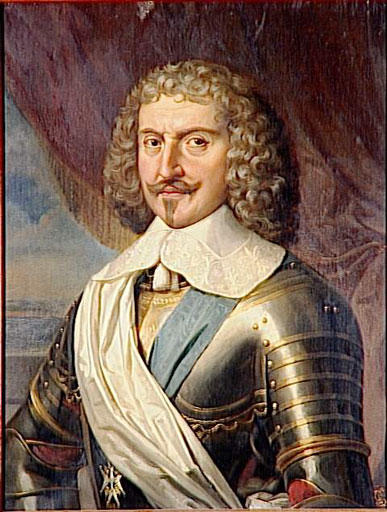
The family of Durfort had held the dukedom during the age of Louis XIV; Guy Aldonce had been Duc de Quintin but the title had become extinct over the 18th century. Thus, it was a revival in favour of the family.

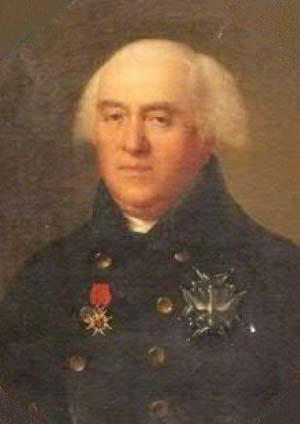
File:Jean-Laurent de Durfort-Civrac.jpg
Jean-Laurent

Duc de Lesparre

Creation: 1774
For: Louis Armand de Gramont de Cravant d'Humières
Family: Gramont
Status: Extinct in 1795
Anecdote:

Louis Armand had held the title of Comte de Guiche before his elevation which coincided with the appointment of his wife as the dame d'atours to the Comtesse de Provence. The two would later separate with the Duchesse de Lesparre dying during the revolution (albeit not by guillotine) and the Duc de Lesparre shortly after. This effectively ended the new line of dukes.


Duc du Châtelet

Creation: 1777
For: Florent-Louis du Châtelet
Family: Châtelet
Status: Extinct in 1793
Anecdote:

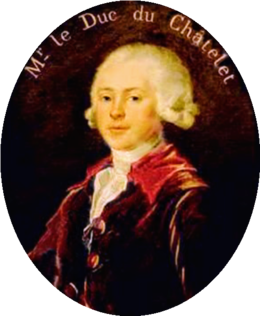
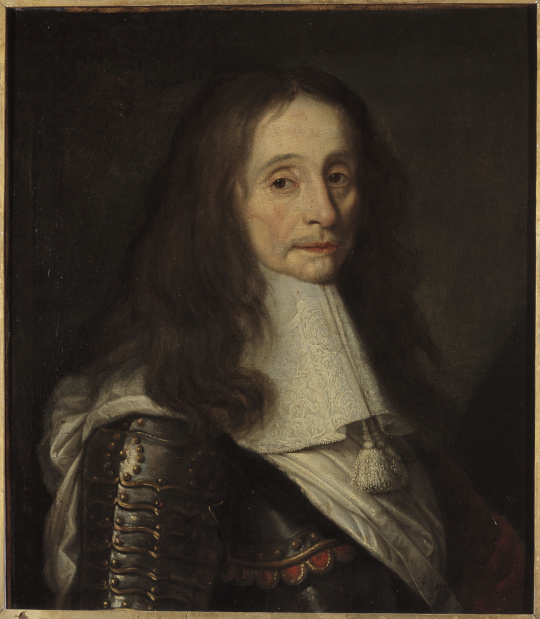
Being made a hereditary duke in 1777, Louis XVI would later appoint him as head of the Regiment du Roi - the primary and most prestigious regiment. His draconian - and heavily Prussian-inspired - leadership earned him a harsh reputation which gained him few admirers. This would later come back to haunt him when he was recognised by a mob during the revolution. He was arrested and guillotined.


Louis Marie Florent du Châtelet.png
Duc du Châtelet


Duc de Polignac

Creation: 1780
For: Armand-Jules-François de Polignac
Family: Polignac
Status: Existing
Anecdote:

Largely owing their astronomical rise to the favour of Marie Antoinette, the family of Polignac had made a brilliant career during the last days of the ancien regime. Originally, the dukedom was à brevet but it was changed to hereditary in 1783, but only in the male line. Armand was the husband of Madame de Polignac and emigrated during the revolution.


Duc de Guiche

Creation: 1780
For: Antoine VIII de Gramont
Family: Gramont
Status: Extinct in 1836
Anecdote:

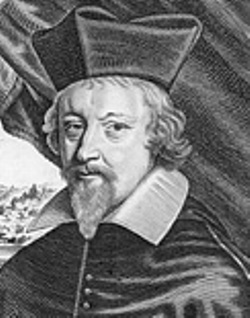
Like Armand-Jules-François, Antoine benefited enormously from the friendship between Marie Antoinette and Yolande de Polastron. Antoine had married Yolande's daughter which ensured him continued favour from the king and particularly the queen. Being already the heir to the dukedom of Gramont, the title of Duc de Guiche was meant as an interim title until he could assume his father's title.

Antoine VIII

Duc de Maillé

Creation: 1784
For: Charles-René de Maillé
Family: Maillé de La Tour Landry
Status: Existing
Anecdote:

Holding the rank of Lieutenant General, the Duc de Maillé was particularly connected to the service of the Prince de Condé, including as a gentilhomme of his household and the colonel of his regiment.

Charles-René

Duc de Lévis

Creation: 1784
For: François Gaston de Lévis 
Family: Lévis
Status: Extinct in 1863
Anecdote:

François Gaston had spent the majority of his life with the army including as a prisoner of war. By the time he was elevated to his dukedom, François was already retired with the rank of Maréchal de France. As such, he was in his sixties. Sadly, the revolution was particularly hard on his family. François himself died in 1787 but his widow and two of his daughters were guillotined.

François Gaston de Lévis (Stewart 1984-8).jpg
François Gaston in his younger years

Duc de Saulx-Tavannes

Creation: 1786
For: Charles-François de Saulx
Family: Saulx-Tavannes
Status: Extinct
Anecdote:

The new Duc de Saulx-Tavannes had attached himself to the service of the Comte de Provence whom he became very close to - upon the restoration, his old friend brought him back to court. He was given immense influence in the affairs of the king's brother, particularly relating to his private finances. During the revolution, he continued to serve the interests of the future Louis XVIII including by acting as his emissary. 


Charles-François

Duc de La Force

Creation: 1787
For: Louis-Joseph de Caumont
Family: Caumont
Status: Existing
Anecdote:

Like the Durfort family, that of de La Force had also previously held the dukedom within their family. The last incumbent had been Jacques-Nompar II de Caumont who died in 1755 without children which led to the temporary extinction of the title.

Tuesday, 8 February 2022

Creations: New Dukedoms during Louis XV

During Louis XV's reign, 24 new dukedoms were erected for favoured courtiers; only one of these were created during his minority. A title of duke was the highest honour the king could bestow on his courtiers, as the higher-ranking titles were reserved for those born into them.


Duc de Valentinois

Creation: 1716
For: Jacques I of Monaco
Family: Grimaldi
Status: extant
Anecdote:

Jacques I only acceded to that title by marriage - he was chosen by the then-reigning Antonio I of Monaco for his eldest daughter, as Antonio had no male heirs. The candidature was supported by Louis XIV who might very well have intended to bestow the dukedom himself but died beforehand. It was the very first title bestowed by the then six-year old Louis XV.

Duc de Lévis

Creation: 1723
For: Charles Eugène de Lévis
Family: Lévis
Status: extinct in 1734
Anecdote:

When Louis XV bestowed this title upon Charles, it was intended as a hereditary duchy. However, in a tragic turn of events, all three of Charles' sons died before their father. This meant that the duchy passed into the house of Castries when his sole surviving child - a daughter, Marie-Françoise - married into it. That particular house went on to sell the title to the famed architect Jacques Hardouin-Mansart in 1752.

Duc de Mercœur

Creation: 1723
For: Louis François de Bourbon-Conti
Family: Conti
Status: sold in 1770 to the crown
Anecdote:

Initially showing talent as a military leader, he was later by-passed when the Seven Years' War broke out; it has widely been speculated that this was the work of Madame de Pompadour. Either way, it left the king's cousin so angry that he began using his influence to directly work against the king's government which eventually left to his exile.

Portrait of Louis François of Bourbon by Alexis Simon Belle.jpg
Prince de Conti


Duc d'Alincourt

Creation: 1729
For: François Camille de Neufville de Villeroy
Family: Neufville de Villeroy
Status: extinct in 1732
Anecdote:

François was the second son of the Duc de Villeroy and with his elder brother still living, he was not expected to become a duke. However, the king kindly bestowed another duchy on the family. Sadly, for François he would only hold it for three years before dying.

Duc de Châtellerault

Creation: 1730
For: Anne-Charles-Frédéric de La Trémoille
Family: La Trémoille
Status: extinct in 1759
Anecdote:

This particular title does not appear to have ever remained long with the same family - by 1730, it had been created no less than eight times since 1515. When it was created for Anne-Charles-Frédéric that trend appears to have continued as it would not be passed on to another until the following century.

Duc de Lauraguais

Creation: 1731
For: Louis II de Brancas
Family: Brancas
Anecdote:

Louis received his second dukedom - being already Duc de Villars - upon his first marriage in 1731. His young wife died tragically following childbirth at the age of 19, after which he married the king's former mistress, Diane-Adélaide de Mailly. 

Duc de Fleury

Creation: 1736
For: André-Hercule de Rosset de Rocozel
Family: Rosset
Status: extinct in 1815
Anecdote:

Not to be confused with his vastly powerful uncle, Cardinal Fleury, André-Hercule appears to have divided his time somewhat equally between serving in the king's army and in the king's court. In the former he achieved the rank of lieutenant-general and at court he was nominated as one of the king's four Premier Gentilhommes de la Chambre

Duc de Boutteville

Creation: 1736
For: Charles Paul Sigismond de Montmorency-Luxembourg
Family: Montmorency
Status: extinct in 1785
Anecdote:

Known primarily as the Duc de Châtillon, Charles was also a descendant of Hugues Capet and as such were related to royalty; it is therefore no wonder that he held a whole array of titles besides his dukedoms: Marquis de Royan, Comte de Hallot, Comte d'Olonne, Governor of Maine, Governor of du Perche and Governor of Laval.

Duc d'Estissac

Creation: 1737
For: Louis François Armand de La Rochefoucauld de Roye
Family: La Rochefoucauld
Status: extant
Anecdote:

Originally, this was a title bestowed à brevet, meaning solely for the recipient. However, in 1758 Louis XV further ennobled him by making the title hereditary.

Duc d'Ayen

Creation: 1737
For: Louis de Noailles
Family: Noailles
Anecdote:

Being already the son and heir of the Duc de Noailles, Louis probably owed his further advancement to the fact that his mother was a certain Françoise Charlotte d'Aubigné - Madame de Maintenon's beloved niece. He managed to die of natural causes in 1793 while four members of his immediate family were guillotined.

Louis de Noailles, Duke of Noailles (1713-793), Marshal of France, (École Française).jpg
Duc d'Ayen

Duc de Lesparre

Creation: 1739
For: Antoine de Gramont
Family: Gramont
Status: extant
Anecdote:

This was a dukedom bestowed à brevet, meaning that it was a mark of royal favour but was not initially intended to be passed on to his heirs. However, this was apparently changed, as his descendants did - and still do - carry the title.

Duc de Gisors

Creation: 1742
For: Charles Louis Auguste Fouquet
Family: Fouquet
Anecdote:

Grandson of the notorious Nicolas Fouquet, the disgraced Superintendent of Finances, Charles determined to regain royal favour by diligent military service which he happened to be particularly well-suited for. He was very successful in his field and became Maréchal de France the year prior to receiving his dukedom.

Charles Louis Auguste Fouquet.jpg
Duc de Gisors

Duc d'Anville

Creation: 1746
For: Jean-Baptiste Louis Frédéric de La Rochefoucauld
Family: La Rochefoucauld
Anecdote:

Jean-Baptiste pursued the mandatory military career but little could he have known that his greatest claim to fame would be the disastrous expedition to Acacdia - it was even named after him, as the Duc d'Anville Expedition. Utterly unprepared to lead a fleet, the situation was worsened by terrible weather when crossing the Atlantic Ocean. This further lead to the sinking of several ships with some even turning back to France. Jean-Baptiste was amongst those who landed at the planned destination but the remaining soldiers soon suffered a typhoid outbreak - this would eventually kill the newly made Duc d'Anville.
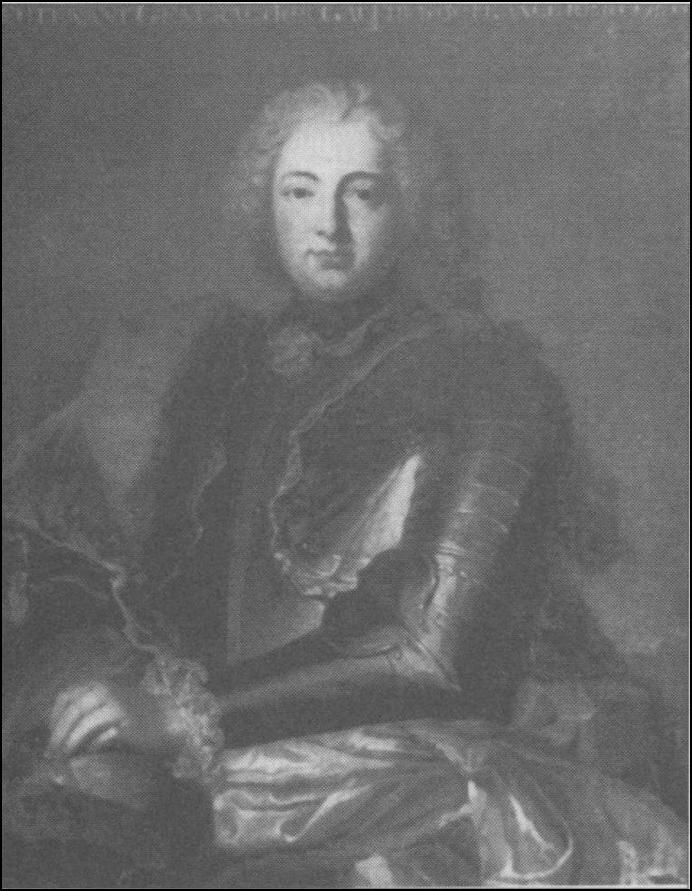
Admiral Jean Baptiste Louis Frederic De La Rochefoucauld, Duc d'Anville.jpg
The unfortunate Duc d'Anville

Duc de Coigny

Creation: 1747
For: François de Franquette de Coigny
Family: Coigny
Anecdote:

Once again, it was most likely the military exploits that would later result in the elevation of François from count to duke. His successes in the Wars of the Polish and Austrian Successions also earned him the rank of Maréchal de France.

Duc de Mirepoix

Creation: 1751
For: Gaston Pierre de Lévis
Family: Lévis
Status: extinct 1757
Anecdote:

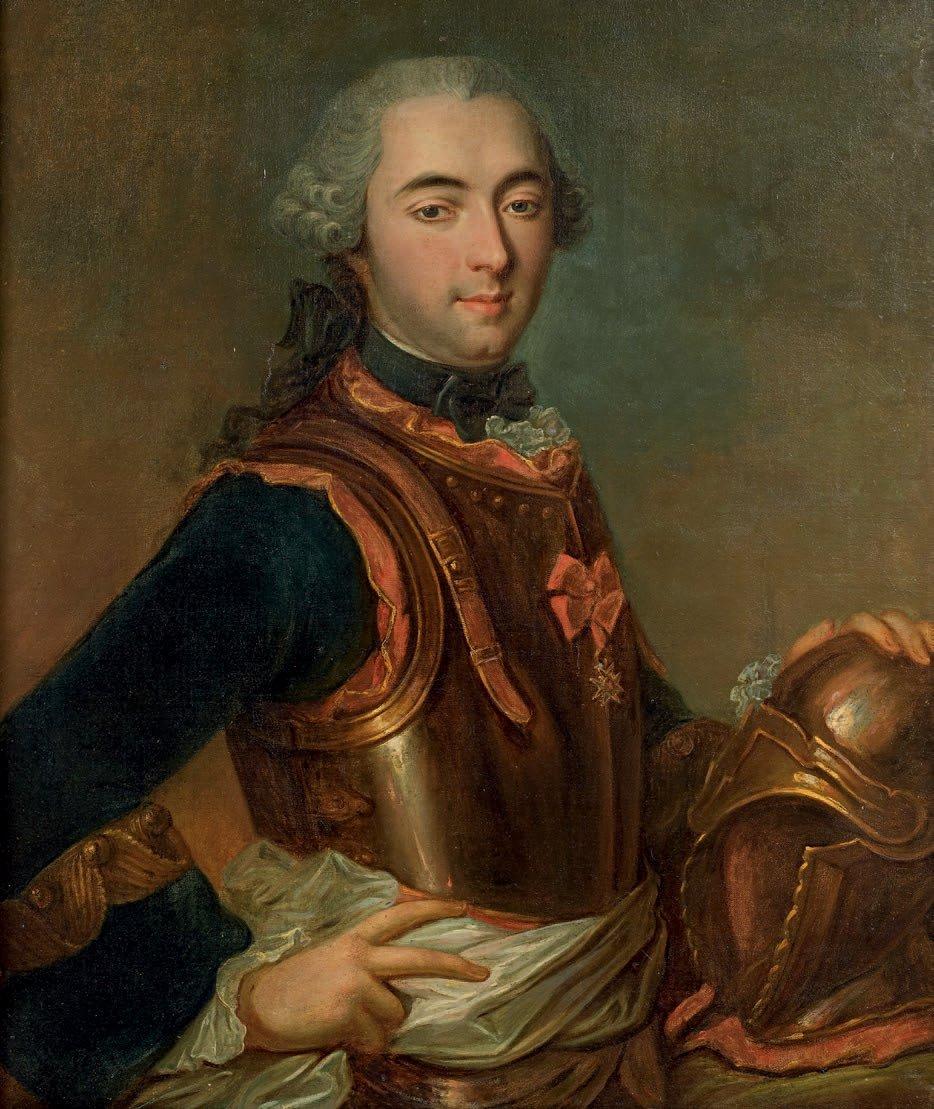
Perceived as a somewhat non-entity, it was rumoured that he owed his advancement to the fact that Louis XV was interested in his wife - this could also account for his choice as ambassador to Great Britain.

Duc de Mirepoix

Duc de Rochechouart

Creation: 1753
For: Jean-Victor de Rochechouart
Family: Rochechouart
Status: 
Anecdote:

He would later also be given the title of Duc de Mortemart and was from the same family as the celebrated Madame de Montespan.

Duc de Choiseul

Creation: 1758
For: Étienne François de Choiseul
Family: Choiseul
Status: 
Anecdote:

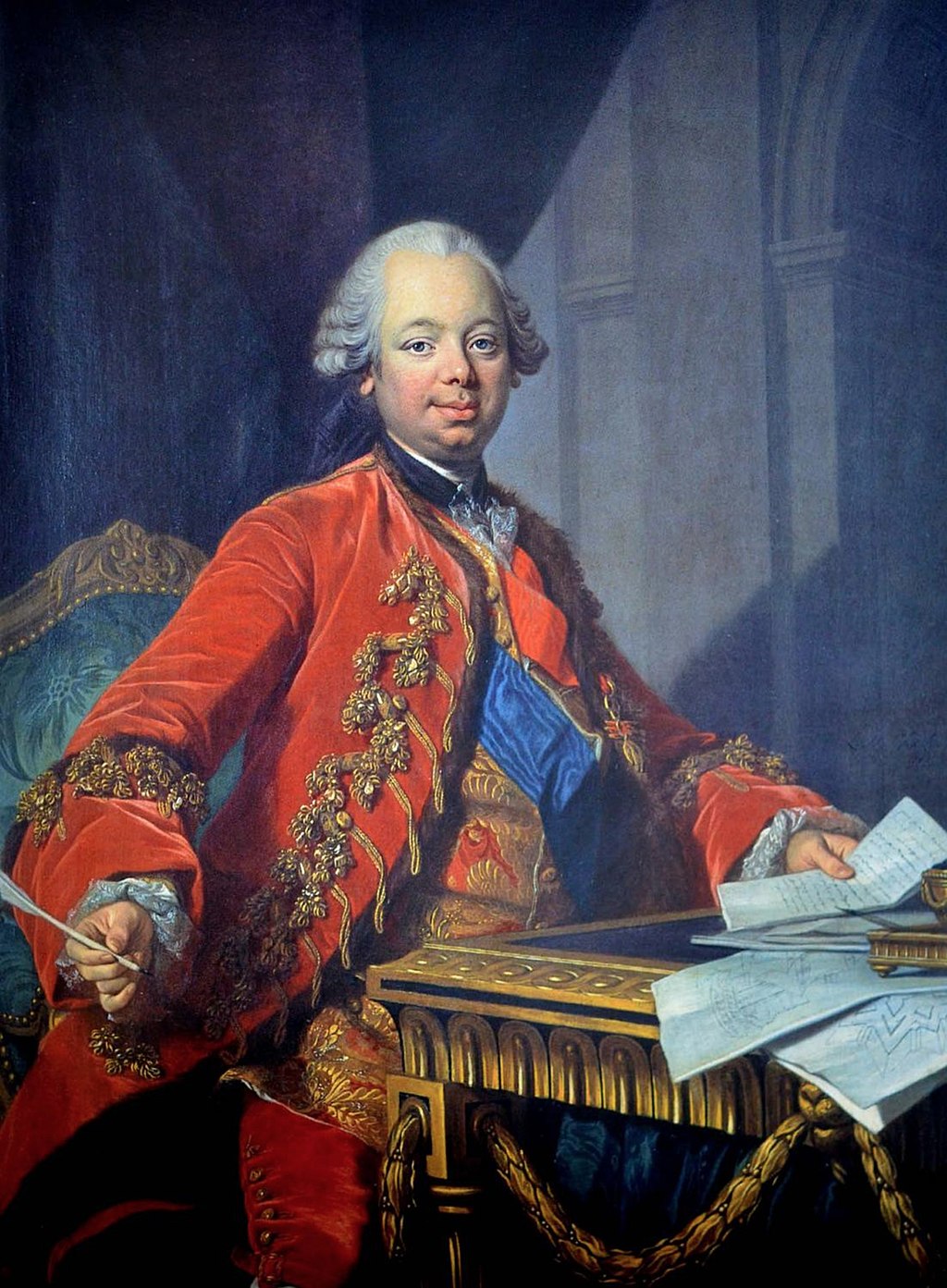
Known for his staunch pro-Austrian position, he was widely seen as the driving force at the French court for the match between Louis XVI and Marie Antoinette. After having been in almost supreme power for years, he suddenly fell from grace and was exiled from the court of Louis XV - largely due to the influence of Madame du Barry and her supporters who loathed him.
Louis-Michel Van Loo, 'Portrait of the Duke of Choiseul' – Grateau 2015, after p 62.jpg
Duc de Choiseul


Duc de Clermont-Tonnerre

Creation: 1758
For: Gaspard de Clermont-Tonnerre
Family: Clermont-Tonnerre
Anecdote:

Gaspard was rather unique in one particular aspect: he lived during all three kings of Versailles. Having been born in 1688 at the court of Louis XIV, he would be elevated during Louis XV and finally died during Louis XVI.

Duc de Gontaut

Creation: 1758
For: Charles-Antoine de Gontaut Biron
Family: Gontaut-Biron
Status: extinct in 1862
Anecdote:

Having spent the majority of his life as an officer in the army, the ageing Duc de Gontaut had given his title of Duc de Biron to his only son, Armand-Louis. However, when Armand-Louis was guillotined in 1793, the 85-year old once again became both the Duc de Gontaut and de Biron.


Duc de Laval

Creation: 1758
For: Guy-André-Pierre de Montmorency-Laval
Family: Montmorency-Laval
Status: extinct in 1851
Anecdote:

Primarily a military man, the first Duc de Laval also held the rank of Maréchal de France - it would be these martial exploits that would eventually result in his dukedom. By then, he had been actively involved in military life for 17 years.

Duc de Laval

Duc de La Vauguyon

Creation: 1758
For: Antoine de Quélen de La Vauguyon
Family: Caussade
Anecdote:

Appointed as the governor of the young Louis XVI, he was extremely harsh towards his clumsy and shy royal ward. It would later be said that Louis XVI himself had uttered that he hated no man except for the Duc de La Vauguyon

Duc de Villequier

Creation: 1759
For: Louis-Alexandre-Céleste d'Aumont
Family: Aumont
Status: extant
Anecdote:

He also held the position of one of the four Premier Gentilhommes de la Chambre to the king; he would remain loyal during the revolution - he came dangerously close to being lynched by an angry mob for the crime of wearing a black court suit

Duc de Praslin

Creation: 1762
For: César Gabriel de Choiseul-Praslin
Family: Choiseul
Anecdote:

Not to be confused with his more well-known relative, the Duc de Choiseul, César was a diligent politician who spent time as both diplomatic and military envoy during the wars in Canada and Louisiana of the 1760's.

Duc de Beaumont

Creation: 1765
For: Charles François Christian de Montmorency-Luxembourg
Family: Montmorency-Luxembourg
Anecdote:

Charles inherited the title through his mother, Louise Madeleine d'Harlay, as it would otherwise have gone extinct. However, due to the laws on inheritance, the title had to be "created" again since a woman could not inherit it. Thus, when Charles was born, Louis XV bestowed it on him as if the title had simply "skipped" a step in the lineage.

Duc de Poix

Creation: 1767
For: Philippe de Noailles
Family: Noailles
Status: extinct in 1794 
Anecdote:

Had originally been created for Louis XIV's ambassador to England, Rome, Spain and Bavaria: Charles de Créquy. Sadly, Charles died without male issue which left the king's great-grandson free to bestow it on the Noailles-family. Philippe already held the titles of Prince de Poix, Duc de Mouchy and Comte de Noailles - he was guillotined at the age of 78.

Philippe de Noailles (1715-1793).jpg
Duc de Poix


Duc de La Vrillière

Creation: 1770
For: Louis III Phélypeaux
Family: Phélypeaux
Status: extinct in 1777
Anecdote:

The family of Phélypeaux had long served the French kings as Secretaries of State - when Louis Phélypeaux was born his father served as the sinister-sounding Secretary of State for Protestant Affairs - a post that Louis inherited. Thus, he was one of a line of statesmen who had made their mark through political office

Saint-Florentin, comte de.jpg
Duc de La Vrillière

Duc d'Anjou

Creation: 1771
For: Louis Stanislas Xavier de Bourbon 
Family: Royal Family 
Status: merged with the crown in 1795
Anecdote:

Louis received the title from his grandfather upon his graduation from his formative education; he was fifteen years old at the time.


Duc d'Angoulême

Creation: 1773
For: Charles Philippe de Bourbon
Family: Royal Family 
Status: merged with the crown in 1824
Anecdote:

Created for the first male heir of the new generation, it was bestowed on the son of the Comte and Comtesse d'Artois. The then-infant would later go on to marry his first-cousin, Marie Therese, daughter of Louis XVI and Marie Antoinette.


Duc d'Angoulême

Duc d'Auvergne

Creation: 1773
For: Charles Philippe de Bourbon
Family: Royal Family
Status: exchanged in 1778
Anecdote:

A very old title, the dukedom of Auvergne dated back to the 8th century and was bestowed on the youngest son of the late-Dauphin, Louis Ferdinand. Given that he was about 16 years old, it is likely that it was given as a present by the king upon his finishing formal education - as had been done for his elder brother, the Comte de Provence.

Charles Philippe de Bourbon

Duc de Mercœur

Creation: 1773
For: Charles Philippe de Bourbon
Family: Royal Family
Status: exhanged for the dukedom of Poitou in 1778
Anecdote: 

This was the fourth time this particular title had been "erected"; the first had been in the 16th century for the house of Lorraine. When the last holder - Philippe Emmanuel - died without a male heir, the title was passed on to his daughter, Françoise, who had married the Duc de Vendôme. Thus, it had to be officially created for the Duc de Vendôme whose heirs held it until their extinction in 1712. Following that, it was created for the Prince de Conti (see above) and finally for the Comte d'Artois.

Duc de Croÿ d'Havré

Creation: 1773
For: Joseph Anne Auguste Maximilien de Croÿ
Family: Croÿ
Status: extinct in 1839
Anecdote:

Created as a particular mark of favour in 1773 but not made hereditary.

Duc de Croÿ d'Havré

Tuesday, 7 December 2021

Creations: Marquises (Louis XIV)

From the time he was officially declared of age - 1651 - Louis XIV would remain the sole arbiter of power in France. As such, the Sun King surrounded himself with his courtiers as a constant reminder of his position. In order to reward his faithful courtiers, he would occasionally bestow titles on them - including that of Marquis. Ranking just below a Duke and just above a Count, the title of Marquis was a rather high position - especially, since the dukedoms were a special class within the nobility.

Note that these marquisates are only the ones that were actively created by Louis XIV; there were others which had been in place prior to his birth and thus are not included in this post. Furthermore, it is widely recognized that a complete list cannot be compiled for certain as documents have been lost over time. This is further complicated by the existence of courtesy titles which were not always officially registered with the Parlements. Yet, we do have a sense of the amount of new titles created during the age of Versailles.


From 1651 until his death in 1715, Louis XIV bestowed the title on 198 men - and a few women. Amongst these were:

Madame de Maintenon - the last maitresse-en-titre to Louis XIV who received her marquisate of Maintenon in 1675. As such she would have her own title, in comparison to her predecessor, Madame de Montespan, who was still referred to by her husband's title: the Marquise de Montespan.

Louis Phélypeaux - a scion of the La Vrillière-family, he had served as Minister for Protestant Affairs for a staggering 52 years; that means that he was already in that office when Louis XIV was born. He was made Marquis de Tanlay in 1671 but already held the title of Marquis de Châteauneuf.

Louis Phélypeaux

Jean-Baptiste Colbert - the king's steady Minister of Finance from 1665-83, he ensured that the king had a steady income for his numerous wars and building projects. He also served as Minister of State and had taken over from Mazarin as the Prime Minister. He was made Marquis de Seignelay in 1668.

Henri de Guénégaud - having served as Minister of State (of the king's household), he was rewarded when his barony of Plancy was merged with the viscounty of Syé to create the new marquisate of Plancy in 1656. He was a legacy from Louis XIII's time and would later become Minister for Foreign Affairs.


Image dans Infobox.
Henri de Guénéguad


Charles-François de Vintimille du Luc - receiving the title of Marquis du Luc in 1688, Charles-François had served the king in almost every possible way. Serving as a musketeer, he lost an arm in the king's service before turning his attention to politics. He was then sent as ambassador extraordinary to Switzerland and other places. He actually held four other marquisates; those of des Arcs, de La Marthe, de Vins and de Savigny as well as the title of Comte du Luc.

François Quentin de La Vienne - possessing one of the most coveted positions at court from 1679 til 1710, François was the First Valet de Chambre of Louis XIV. As such, he had much close contact with the king and enjoyed a larger degree of trust than other servants in the king's household. He was awarded with the title of Marquis de Champcenetz in 1688.


François Quentin


Interestingly, there were only two years in which no new marquises were created: 1701 and 1706. In comparison, the year with the most new creations was 1653 - shortly after he was officially recognised as being of age. In this year, the young king created no fewer than eight new marquisates. 

Another interesting thing to note is that Louis XIV increasingly bestowed a marquisate of the men who were in charge of settling disputes within the nobility. These men were otherwise known as Lieutenants to the Marechaux de France. This alone shows the increasing emphasis placed by the king on controlling the very sphere in which his courtiers lived.

For a courtier wishing to acquire a marquisate, there were generally two ways to achieve this: by royal favour or by money. The king could easily bestow a marquisate on a favoured courtier but this required just that - favour. In the race to gain admittance to the king's inner circle, some would inevitably falter. But these could still hope to achieve their marquisate by striking a deal with a marquis in desperate need of cash.

Titles for money were nothing new, neither were the exchange of positions within the royal household for a corresponding amount. Madame (Elizabeth-Charlotte of the Palatinate) relates one such instance in her numerous correspondence which clearly shows the extremely steep prices one could claim for a marquisate. She refers to Marc de Beauvau, Prince of Craon. While both very wealthy and already possessing the title of Prince de Craon and having inherited the marquisate of Beauvau, he sought to further his position by buying another marquisate worth 800.000 livres. Apparently, he was successful as he was officially recognised as the Marquis de Craon in 1712. 

One way in which the king could elevate a courtier without depriving another of land was to combine land already in the possession of the intended marquis. For instance, if the courtier in question owned several seigneuries or even some counties, the king could combine them into a single entity and make that a marquisate. Thus, he did not have to go to the trouble of confiscating land or ordering several complicated legal maneuvers to achieve his goal.

Tuesday, 9 July 2019

The New Dukedoms under Louis XIV

From his majority in 1651 until his death in 1715, Louis XIV created or revived no less than 34 ducal titles.  Thus, he elevated a new group of people to the highest rank of the ability. There could be several reasons for why a family might be granted a dukedom - it could be faithful service, personal affections or even as a favour to a mistress. However, all of the families concerned were already well-established in the nobility. It should be noted that the title of duc did not necessarily mean that the holder was a Peer of France - that was another elevation. But how - and why - did the Sun King choose to bestow this honour on them?

These are the titles that were not bestowed on members of the royal family.

The Revived Titles

A title can become extinct if the family holding it dies out. In a society such as the French in the 17th century, Salic law was followed which prohibited females from inheriting titles. Therefore, aristocratic titles were considered to be extinct if there were no more male heirs. These did not necessarily have to be the sons or grandsons of the current title holder - they could just as well be a nephew, an uncle, a brother etc.

Still, once a title became extinct, it became available for the king to bestow on a new family. Louis XIV chose to do just that in these cases:

Duc d'Albret
Last held by: Henri IV (it merged with the crown when Henri became king)

Revived: 1651

Recipient: Frédéric-Maurice de La Tour d'Auvergne

Reason for revival:
Frédéric-Maurice had originally been on the wrong side in the Fronde during the minority of Louis XIV, but was convinced to switch sides. The bait used by Cardinal Mazarin was the dukedoms of both Albret and Château-Thierry - these would be granted if Frédéric-Maurice surrounded the strategically located Sedan and Raucourt to the crown.

Status: extinct in 1802

Frederic-MauricedeLaTourdAuvergneNanteuil.jpg
Frédéric-Maurice


Duc de Bourbon
Last held by: Henri III of France
Revived: 1661
Recipient: Louis de Bourbon-Condé
Reason for revival:

Louis was better known as the Grand Condé and had stood on the opposing side during the second Fronde. Nevertheless, following his defeat, Louis was readmitted into the king's good graces and remained subordinated to the king. It is possible that Louis received this particular title partially due to his subordination and partially due to his lineage.

Status: was dormant from 1830 until 1950 but has been revived and is still in existence

Louis, Grand Condé.PNG
Louis

Duc de Château-Thierry
Last held by: Guillaume Robert de la Marck
Revived: 1651
Recipient: Frédéric-Maurice de La Tour d'Auvergne
Reason for revival: see Duc d'Albret
Status: extinct in 1802


Duc de Rethel
Last held by: Charles IV, Duke of Mantua (sold to Cardinal Mazarin)
Revived: 1663
Recipient: Charles de La Porte
Reason for revival: see Duc de La Meilleraye
Status: extinct 1738


Duc de Roannais
Last held by: Artus Gouffier
Revived: 1667
Recipient: François III d'Aubusson de La Feuillade
Reason for revival:

François could have gotten a title through military service, loyalty during the Fronde and the good luck of being born into a particularly well-connected family. However, he had actually bought the title in 1667 for the price of 400.000 livres as well as agreeing to marry the sister of the former Duc de Roannais (Artus Gouffier).

Status: extinct 1725

François III d'Aubusson.jpg
François

Claude

The New Dukedoms

Duc d'Aumont
Creation: 1665
Recipient: Antoine d'Aumont de Rochebaron
Reason for creation:

Antoine gained his dukedom through the battlefield; this included serving Anne of Austria during the Fronde. For this, he was also awarded with the title of Marèchal de France and later governor of Paris.

Status: still in existence 

Antoine d'Aumont de Rochebaron.jpg
Antoine

Duc de Boufflers
Creation:
Recipient:
Reason for creation:
Status:

Duc de Choiseul
Creation: 1665
Recipient: Caesar de Choiseul
Reason for creation:

Caesar was remarkably talented as a military commander. For that reason it was a blow when he joined the Grand Condé during the First Fronde. However, when conflict broke out again, he chose to remain loyal to the crown - and played an important role in turning the tide. It was he who defeated Turenne, for instance.

Status: this line is extinct but the title was revived in 1817 and changed to Duc de Marmier in 1839

Caesar

Duc de Coislin
Creation: 1663
Recipient: Armand de Camboust
Reason for creation:

Armand might well have been rewarded for his services on the battlefield; he had risen through the ranks and became a lieutenant-general. It is also possible that he was personally liked by the king and his mother since he played an active part in Louis XIV's coronation ceremony.

Status: extinct 1732

Portrait d'Armand de Cambout, duc de Coislin.
Armand

Duc de Duras
Creation:
Recipient:
Reason for creation:
Status:

Duc d'Estrées
Created: 1663
Recipient: François Annibal d'Estrées
Reason for creation: 

François had served as a diplomat in Rome and therefore the title could be a reward for the political skill he had shown.

Status: although the title lay dormant from 1771-1892, it was revived for the direct descendants of the last Duc d'Estrées under the Ancien Regime and is still in existence

François

Duc de Fitz-James
Creation: 1710
Recipient: James Fitz-James
Reason for creation:

Unlike the vast majority on this list, James was not a Frenchman. In fact - as his name states - he was the illegitimate son of James II of England. An Englishman at the French court could have had a hard time but he used his military skills to fight on behalf of Louis XIV.

Status: extinct 1967

James Fitz-James, primer duque de Berwick (Museo del Prado).jpg
James

Duc d'Harcourt
Creation: 1700
Recipient: Henri d'Harcourt
Reason for creation:

Henri had participated in every single one of the major wars of his period and would then turn to more diplomatic endeavours. He was made ambassador to Spain and served as such when the War of the Spanish Succession erupted. Although it is unknown exactly which role he played, Louis XIV awarded his efforts with a dukedom.

Status: still in existence 


Duc de La Meilleraye
Creation: 1663
Recipient: Charles de La Porte
Reason for creation:

Charles (a relation of Cardinal Mazarin) had served Louis XIII as a competent general for years and had then held the position of Superintendent of Finances. This in itself could be reason for a promotion but it was most likely prodded along by the fact that Charles remained loyal to Anne of Austria during the Fronde and thus aided Louis XIV in keeping his throne. Sadly for Charles, he died just a year after being made a duc.

Status: extinct 1738


Charles

Duc de Mortemart
Creation: 1663
Recipient: Gabriel de Rochechouart de Mortemart
Reason for creation:

Gabriel had been much favouritism of Louis XII and had served as First Gentleman of the Chamber. He, too, had been a friend of Anne of Austria as well as Cardinal Richelieu. He happened to be the father of Madame de Montespan although he did not owe his elevation to her liaison with the king since he was elevated before their affair began.

Status: still in existence 

Portrait of Gabriel de Rochechouart, Duke of Mortemart wearing the Order of the Holy Spirit (Versailles, unknown artist).jpg
Gabriel

Duc de Noailles
Creation: 1663
Recipient: Anne de Noailles
Reason for creation:

Anne had remained loyal to Anne of Austria and Louis XIV during the Fronde and had used his political acumen and military skill to their advantage. He had also become a close ally of Cardinal Mazarin.

Status: still in existence 

Noailles, Anne cropped.jpg
Anne

Duc de Poix
Creation: 1663
Recipient: Charles de Créquy
Reason for creation:

Charles had travelled Europe in the service of the French king; he had been ambassador to Spain, England, Bavaria and Rome. For instance, he had been sent to Spain to personally deliver Louis XIV's gifts and letters to his fiancée, Marie Thérèse, and served in the same capacity for the Grand Dauphin.

Status: extinct in 1687


Duc de Randan
Creation: 1663
Recipient: Henri-François de Foix de Candale
Reason for creation: 

This could very well have been a case of favourism at work. Henri-François' mother had been one of Anne of Austria's favourite companions so the elevation was not far off - besides, the family was already in the high-nobility.

Status: extinct in 1714


Duc de Saint-Aignan
Creation: 1663
Recipient: François de Beauvilliers
Reason for creation:
Status: extinct 1828

François was a rather odd figure to be made a duc. He had been disastrous as a military commander - so bad, in fact, that he was imprisoned following the Battle of Thionville. However, he appears to have been more politically astute and remained loyal to Anne of Austria during the Fronde. This earned him his dukedom.


François

Duc de Saint-Cloud
Creation: 1674
Recipient: François de Harlay de Champvalon
Reason for creation:

This particular title was created for the benefit of the Archbishop of Paris. Since the holder was a Catholic clergyman, it was not hereditary but came as a package deal with the office of Archbishop. 

Status: abolished in the revolution

François Harlay de Champvallon.jpg
François

Duc de Tresmes
Creation: 1663
Recipient: René Potier de Tresmes
Reason for creation:

René had served Louis XIII both militarily and politically; he continued especially in the former during the early years of Louis XIV. The title was later changed to Duc de Gesvres.

Status: extinct 1794 (last holder executed during the revolution)

René Potier de Tresmes.jpg
René

Duc de Verneuil 
Creation: 1663
Recipient: Gaston Henri de Bourbon
Reason for creation:

Interestingly enough, Gaston had been destined for the church and served as a cleric for the majority of his life before resigning. He was then knighted and later created Duc de Verneuil. It is possible that his ancestry had something to do with this drastic elevation. He was the illegitimate child of Henri IV which made him Louis XIV's half-uncle.


Status: extinct 1682

Gaston Henri
Duc de Villars
Created: 1705
Recipient: Claude Louis Hector de Villars
Reason for revival:

Claude excelled as a soldier which earned him the title of Marèchal de France and very likely contributed to his elevation to a dukedom. The title is not to be confused with the Duc de Villars-Brancas.

Status: extinct 1775

Hyacinthe Rigaud -Portrait of Claude Louis Hector de Villars (1704) - Palace of Versailles.jpg
Duc de Villeroy
Creation: 1651
Recipient: Nicolas V de Villeroy
Reason for creation:

Nicolas had close ties with Louis XIV since he had served as the young boy's governor which shows that he had enjoyed the favour of Anne of Austria. There is little doubt that Louis XIV also appreciated him; he was later admitted to the king's financial council.

Status: extinct 1794 (eradicated by the revolution)

Nicolas