|
| ||||
|
|
||||
|
|
||||
|
|
||||
|
|
||||
|
|
||||
|
|||||

Wednesday, 6 April 2016
Look-Book: Aigrettes


Monday, 4 April 2016
House of Béthune
The House of Béthune had roots in the area of Artois (as a former province) where they were recognized as Lords of Béthune. Here they had their main seat in the castle overlooking the town of Béthune. The family line is dated back to around 1000. The family rose through the centuries from being local lords to being princes, dukes and counts. However, as time went on the House of Béthune was separated into seven branches (there are a few more but these are either disputed or ended before the reign of Louis XIV). Each branch was distinguished from each other through their titles:

Béthune-Charôst
In 1681 Adrien I François married the heiress to the titles of Comte de Saint-Venant and Vicomte de Lières and thus added them to his own name. It eventually died out in 1812.

The House of Béthune is now completely extinguished except for the disputed branch of Béthune-Hesgineul.
 |
| Maximilien I |
Béthune, Ducs de Sully
Was founded by Maximilien I (himself son of François, Baron of Rosny) who served as a minister to Henri VI. In return for his services the King rewarded him with the duchy of Sully in 1606 which Maximilien then expanded by purchasing the principality of Boisbelle. It was in this principality that this branch had their main seat in the town of Henrichemont (founded by Maximilien).
The line died out in 1807.
Béthune-Orval
Founded by the second son of Maximilien I, François, who actually had the honour of being made Peer of France with the title of Duc d'Orval by Louis XIII. However, for some reason the creation was never officially registered which meant that the title was not hereditary. This meant that the son of Francois (Maximilien-Alpin) never became a Duc but had the titles of Marquis de Béthune and Comte d'Orval.
Eventually, the grand-son of Maximilien-Alpin combined the lines of the Ducs de Sully with that of Béthune-Orval when he inherited the title of Duc de Sully. With his death the line of Béthune-Orval died out.
Béthune-Charôst
Surprisingly enough, this branch was founded by a cardinal. The younger brother of Maximilien I was Philippe who held the title of Comte de Charôst, Comte de Selles and Marquis de Chabris. He would later receive his red hat from the Pope but managed to father a few children first who carried on the family name.
As it happens, Philippe divided his titles between his two sons. The second son (Henri) also went into orders and became an Archbishop while it was up to the third son to carry on the Béthune-Charost line and as such held the title of Comte de Charôst.
Philippe's grandson, Louis, was made the first Duc de Charôst - a title which was passed from father to son until the extinction of the line in 1800.
Béthune-Chabris
The first son of Philippe was named Hippolyte, Marquis de Chabris and Comte de Selles. His sons would carry on the line until its extinction in 1833. However, the title of Marquis de Chabris went to the fifth son of Hippolyte (the founder of Béthune-Selles) upon his father's death which left the remaining members with the title of Marquis de Béthune.
Béthune-Selles
The fifth son of Hippolyte went into the army rather than becoming a clergyman. There he became a Lieutenant-Colonel which he added to his already existing titles of Marquis de Chabris. He also married Marie Louise de La Grange whose sister was Queen of Poland.
Thus, many of his descendants are to be found in the Polish aristocracy.
 |
| Philippe de Béthune |
Disputed branches:
Béthune-Hesdigneul
Actually, this line is a cadet-branch of Béthune des Planques whose claim has been somewhat disputed. The family originates from the sons of Pierre de Planques (himself the first to be somewhat accepted in his claim). His eldest son, Jean, founded this line which is still in existence.
The branch held the title of Marquis de Hesdigneul until Eugènie François Léon was elevated to the rank of Prince. From then on they were known as the Princes de Hesdigneul and also held the titles of Comte de Noyelles and Vicomte de Nielles.
Béthune-Saint-Venant
The youngest son of Pierre de Planques, Georges, founded this line.In 1681 Adrien I François married the heiress to the titles of Comte de Saint-Venant and Vicomte de Lières and thus added them to his own name. It eventually died out in 1812.
Look-Book: Necklaces
|
|
||||
|
|
||||
|
|
||||
|
|||||


Sunday, 3 April 2016
The Families of Power
As in all other countries - especially during these times - a few families held a very large portion of power. During the Ancien Regime in France this was somewhat diminished thanks to Louis XIV's success with distracting his power-hungry courtiers with obscene etiquette. Still, some families maintained a strong name and if you follow the links you will find a brief history of each family with notable members.
 |
| d'Albert de Luynes |
 |
| d'Aumont |
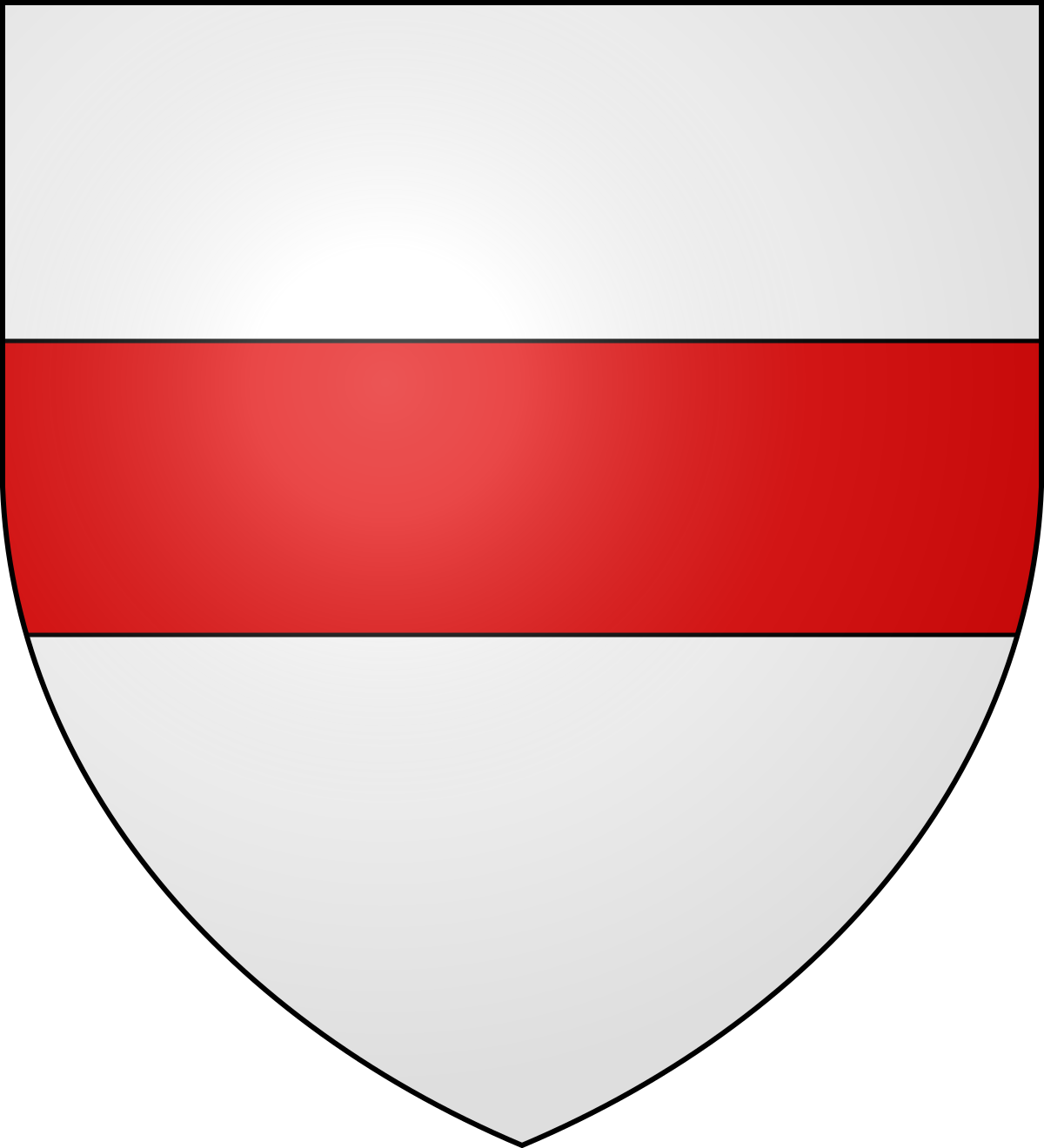 |
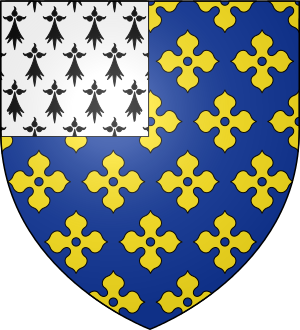
| de Béthune |
 |
| de Broglie |
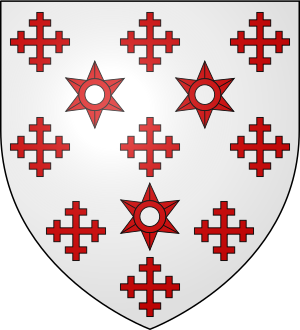 |
| de Boufflers |

 |
| de Choiseul |
 |
| de Coligny |
 |
| de Cossé-Brissac |

 |
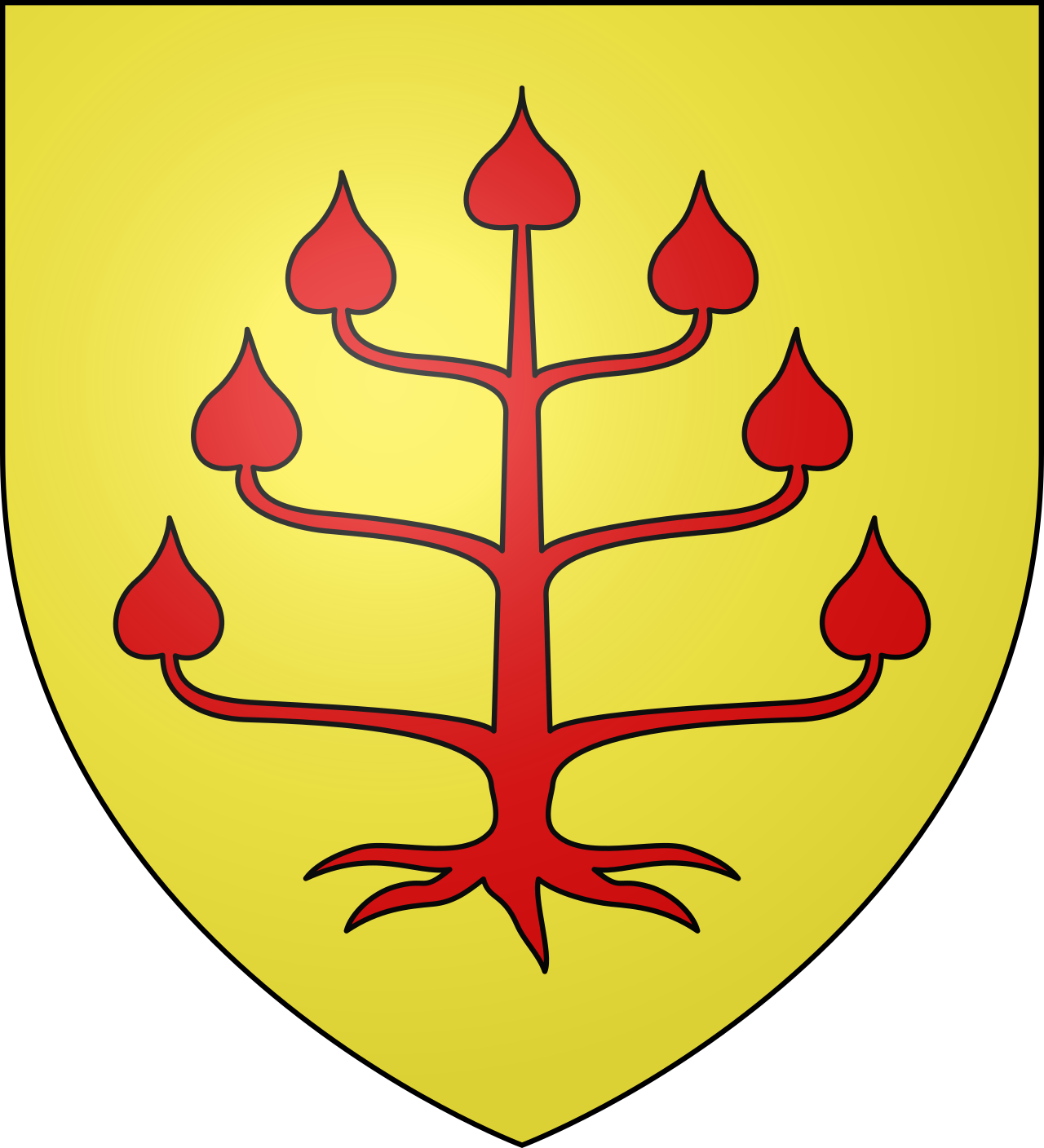
de Duras |
 |
d'Estrées |
 |
| de Gontaut-Biron |
 |
de Gramont |
 |
| d'Harcourt |
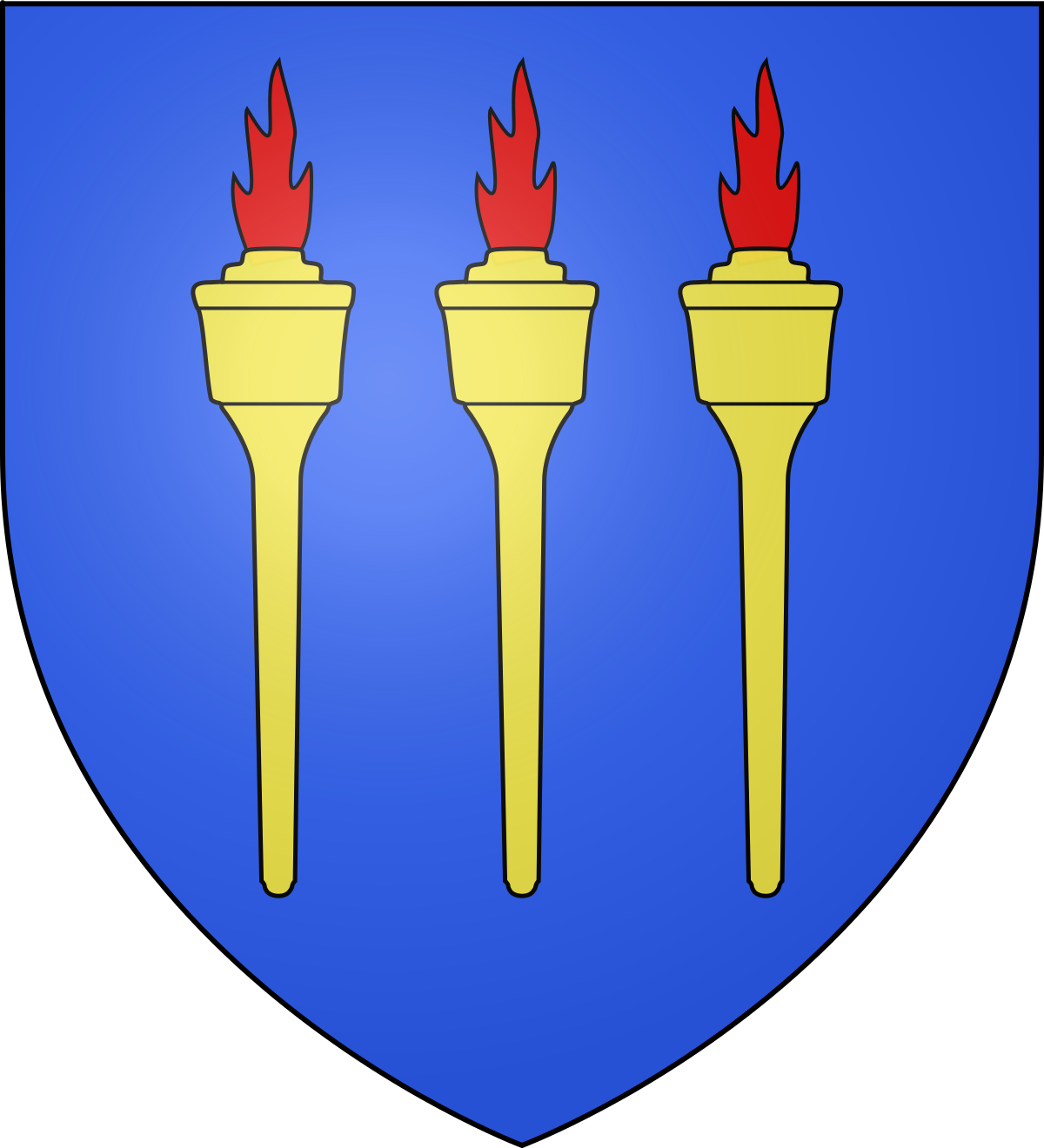 |
| de La Fare |
 |
| de La Tour d'Auvergne |
 |
| de La Trémoille |
 |
| de La Rochefoucauld |
 |
| de Lévis |


 |
| de Neufville de Villeroy |




 |
| de Talleyrand- Périgord |
 |
| de Villars |
Hercule Mériadec, Duc de Rohan-Rohan
Hercule Mériadec de Rohan was born on 8 May 1669 into the prestigious family of Rohan. His family were influential at court and had the honour of being one of only a few permanently established families to hold the title of Prince étranger or Foreign Prince at court.
His parents were François de Rohan and Anne Julie Rohan-Chabot; his mother had for a time been the mistress of Louis XIV which led to speculation as to his younger brother's real paternity. It was his mother who bought the Lordship of Soubise to the family. Hercule Mériadec was the second son and as such was given the lot of being in his older brother's shadow. However, that all changed when his brother died unexpectedly at the age of 22 leaving Hercule Mériadec as the heir of the family.
With his newly acquired importance he was styled as Prince de Maubuisson until the day when he would inherit his father's dukedom. Given his family's role at court Hercule Mériadec spent the majority of his time there during his lifetime. In 1694 it was decided that he was to marry Anne Genviève de Lévis (better known as Madame de Ventadour) - the wedding took place on 15 February that year. Together the couple would have five children of which three survived to carry on the family line.
In 1710 Hercule Mériadec became Duc de Rohan-Rohan; that same year also saw the birth of his first grand-son, Charles, who would one day succeed him. Five years later his family was given the further distinction of having his wife appointed governess to the child-king Louis XV.
In 1724 the only son and heir to Hercule Mériadec died alongside his wife - both of smallpox. This meant that the then fourteen year old Charles was left orphaned but not abandoned. Hercule Mériadec took the young boy into his own personal care and raised him at court. There Charles became the close friend of Louis XV probably to joy of his grand-father. Sadly, Anne Genviève died just three years after her son leaving Hercule Mériadec a widower.
Following the death of his wife Hercule Mériadec decided to have his town-house, the hôtel de Soubise, redone in the modern style which has survived to this day.
Hercule Mériadec was in no rush to remarry. Actually, he remained unmarried for 27 years before he wed Marie Sophie de Courcillon on 2 September 1732. Unlike his first marriage this match produced no children but at this point the line of succession was already secured.
Hercule Mériadec died at the ripe old age of 79 in 1749.
His parents were François de Rohan and Anne Julie Rohan-Chabot; his mother had for a time been the mistress of Louis XIV which led to speculation as to his younger brother's real paternity. It was his mother who bought the Lordship of Soubise to the family. Hercule Mériadec was the second son and as such was given the lot of being in his older brother's shadow. However, that all changed when his brother died unexpectedly at the age of 22 leaving Hercule Mériadec as the heir of the family.
 |
| Hercule Mériadec |
In 1710 Hercule Mériadec became Duc de Rohan-Rohan; that same year also saw the birth of his first grand-son, Charles, who would one day succeed him. Five years later his family was given the further distinction of having his wife appointed governess to the child-king Louis XV.
In 1724 the only son and heir to Hercule Mériadec died alongside his wife - both of smallpox. This meant that the then fourteen year old Charles was left orphaned but not abandoned. Hercule Mériadec took the young boy into his own personal care and raised him at court. There Charles became the close friend of Louis XV probably to joy of his grand-father. Sadly, Anne Genviève died just three years after her son leaving Hercule Mériadec a widower.
Following the death of his wife Hercule Mériadec decided to have his town-house, the hôtel de Soubise, redone in the modern style which has survived to this day.
Hercule Mériadec was in no rush to remarry. Actually, he remained unmarried for 27 years before he wed Marie Sophie de Courcillon on 2 September 1732. Unlike his first marriage this match produced no children but at this point the line of succession was already secured.
Hercule Mériadec died at the ripe old age of 79 in 1749.
Subscribe to:
Posts (Atom)